Toyota Fortuner 2026 : Toyota is preparing a meaningful mid-cycle refresh for the Fortuner in 2026, and this isn’t just a cosmetic tweak—it’s a strategic upgrade designed to keep India’s best-selling premium SUV ahead of rising rivals like the Mahindra Scorpio-N and the upcoming MG Gloster.
Spied testing in Thailand with minimal camouflage, the updated Fortuner is expected to launch in India by mid-2026 with sharper styling, a tech-loaded cabin, and the addition of 48V mild-hybrid technology for the first time.
Exterior That Turns Heads Without Screaming
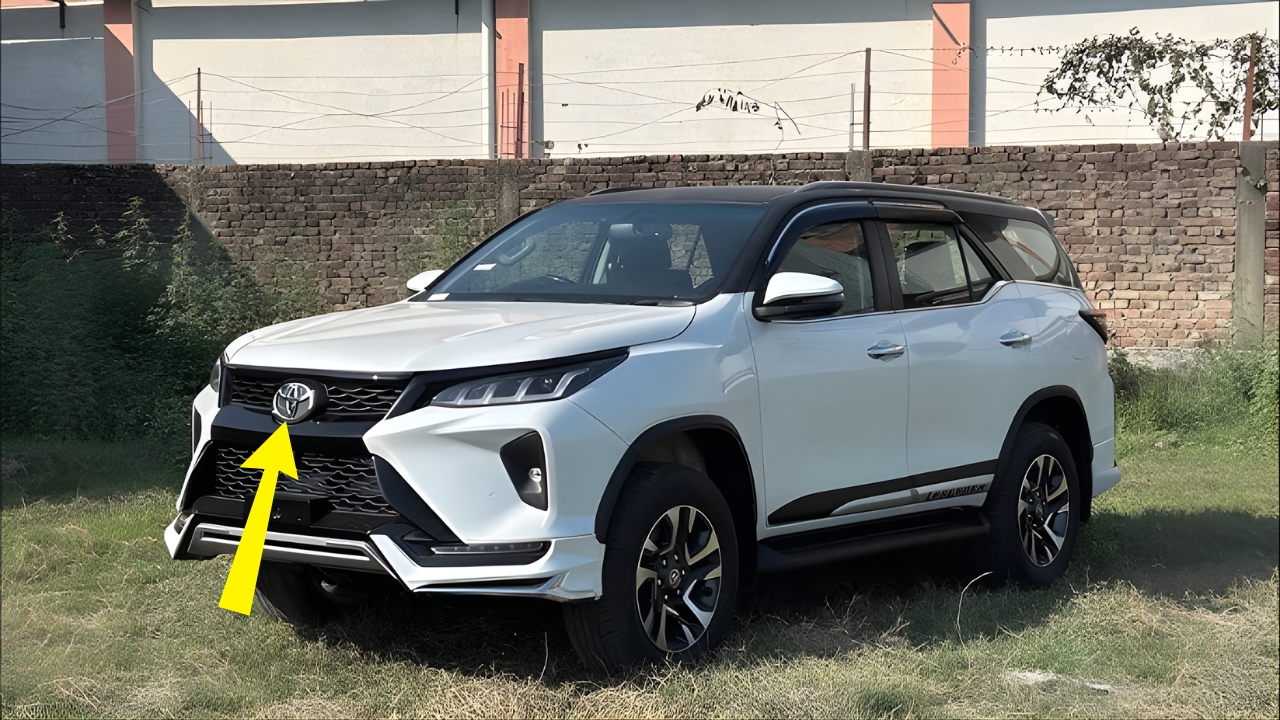
Take one look at the 2026 Fortuner test mule and you’ll spot the evolutionary design philosophy Toyota has mastered.
The front end gets a larger, more sophisticated grille with a bolder chrome surround, flanked by slimmer LED projector headlamps that borrow design cues from the new Hilux.
Integrated LED DRLs add a modern signature, while the redesigned bumper with larger air intakes gives it a more aggressive, planted stance.
Move to the side and you’ll notice fresh 18-inch dual-tone alloy wheels on higher trims, body-colored cladding, and a character line that runs the length of the SUV, creating visual momentum even when parked.
The rear is where the biggest change arrives: a connected LED taillight bar that spans the width of the tailgate, a design trend that instantly modernizes the look.
The revised tailgate shape and cleaner bumper design complete the transformation.
At 4,795mm long and 1,855mm wide, it remains a commanding presence on Indian roads, while the 225mm ground clearance ensures serious off-road capability isn’t compromised.
Interior That Finally Feels Premium Enough
Step inside and the transformation is even more dramatic. The old 8-inch touchscreen is replaced by a floating 10.1-inch HD display that supports wireless Android Auto and Apple CarPlay, making cable clutter a thing of the past.
Also Read: Maruti Dzire 2026 Premium family sedan with electric sunroof, engine is 3 cylinder
The resolution is crisp, touch response is instant, and the interface feels genuinely modern compared to the previous generation’s dated setup.
Toyota has upgraded material quality across the board, with premium leather upholstery on higher trims, soft-touch surfaces on the dashboard, and ambient lighting that adds a luxury touch after dark.
The driver gets a fully digital 12.3-inch instrument cluster that displays navigation, vehicle information, and ADAS alerts with stunning clarity.
Ventilated front seats, powered driver’s seat with memory function, and a panoramic sunroof on the GR-S variant elevate comfort to near-luxury SUV levels.
The 7-seat layout remains, with the third row best suited for children or short adult journeys.
Engines That Balance Power and Efficiency
Under the hood, the 2026 Fortuner retains its proven powertrains but adds meaningful refinement. The 2.7-liter petrol engine produces 166bhp and 245Nm, available with a 6-speed automatic.
It’s smooth and refined but feels underpowered for a vehicle this size, best suited for city-focused buyers who prioritize petrol convenience over outright performance.
The headline act is the updated 2.8-liter turbo-diesel, now producing 204bhp and a muscular 500Nm of torque.
Also Read: Bajaj Pulsar 125 Sporty design with 125cc power engine, price under ₹1 Lakhs
For 2026, this engine gets 48V mild-hybrid technology that improves low-end response, reduces turbo lag, and delivers marginally better fuel efficiency—claimed at around 14.5kmpl for the 4×2 automatic.
The 6-speed automatic transmission carries over, though rumors suggest an 8-speed unit could arrive later in the year.
The 4×4 variant gets a robust part-time four-wheel-drive system with low-range gearing, making it genuinely capable off-road when the road ends.
Technology and Safety That Sets the Benchmark
Toyota is finally bringing its Toyota Safety Sense suite to the Fortuner, marking the first time ADAS appears on this SUV.
The package includes Pre-Collision System with pedestrian detection, Adaptive Cruise Control, Lane Departure Alert, Automatic High Beam, and Road Sign Assist.
While it’s not Level 2 autonomy, it’s a significant step forward for a body-on-frame SUV in this segment.
Seven airbags come standard across all variants, along with ABS with EBD, Vehicle Stability Control, Hill Start Assist, Downhill Assist Control, and a 360-degree camera with transparent view for tight parking situations.
The tire pressure monitoring system, ISOFIX child seat anchors, and impact-absorbing body structure add layers of protection that justify the premium price tag.
Variants and Pricing Expectations
Toyota is expected to retain the current variant structure: 4×2, 4×4, Legender, and the range-topping GR-S.
Also Read: Maruti Wagon R 2026 New model comes with modern design, 26kmpl mileage
Prices should start around ₹34.5 lakh for the base 4×2 petrol and climb to ₹50-51 lakh for the GR-S 4×4 diesel (all ex-showroom).
The mild-hybrid technology and ADAS suite will likely be reserved for the top two trims, creating a clear value hierarchy.
The Legender variant, with its aggressive body kit and exclusive styling, continues to attract younger buyers wanting maximum road presence.
The GR-S adds sportier touches like blacked-out badges, red brake calipers, and exclusive 18-inch alloys, positioning it as the performance flagship.
Toyota Fortuner 2026 The Bottom Line
The 2026 Toyota Fortuner isn’t trying to reinvent the premium SUV segment.
It’s doubling down on what already works: bulletproof reliability, serious off-road capability, and now, technology and safety that finally match its ₹50 lakh price tag.
Also Read This : Bajaj Pulsar 125 Sporty design with 125cc power engine, price under ₹1 Lakhs
With mild-hybrid efficiency, ADAS for the first time, and a cabin that feels genuinely premium, Toyota is ensuring the Fortuner stays ahead of increasingly competitive rivals.
Expect it to retain its crown as India’s best-selling premium SUV well into 2026 and beyond, with waiting periods likely stretching 4-6 months post-launch.